- Best PCD Pharma Franchise Company
- +91 9216295095
- hcareindia@gmail.com

Progesterone and Relaxin: Hormones That Make Space for a Growing Baby

Sugar Intake Strategy for Healthier Eating: Reducing Sugar Without Giving It Up

What are the Documents Required for PCD Pharma Franchise?
Progesterone and Relaxin: Hormones That Make Space for a Growing Baby
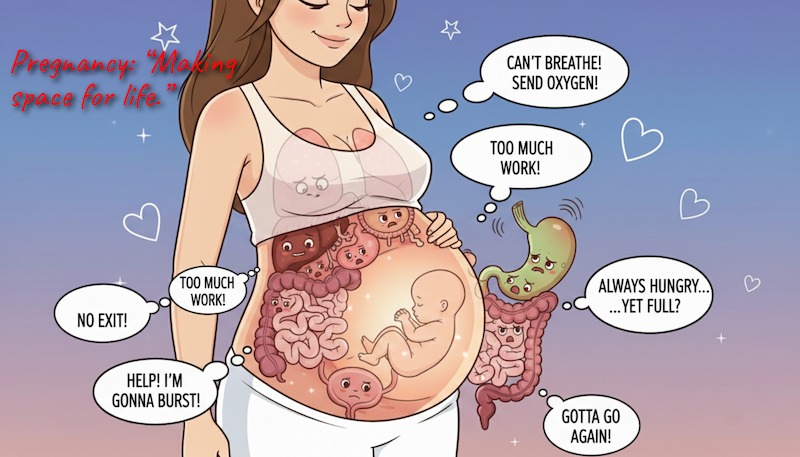
Progesterone and Relaxin: How Two Hormones Prepare the Body for a Baby
Pregnancy is not just about a growing uterus—it is a whole-body transformation by hormones. Among the most important of these are progesterone and relaxin.
These hormones quietly prepare the body, shift internal organs, and create the conditions needed for a healthy pregnancy and delivery.
Progesterone and relaxin are not just “pregnancy hormones.”
They are precise biological tools that soften, shift, and support the body as it creates space for new life.
Understanding their role helps explain many everyday pregnancy symptoms—and reassures women that most of these changes are normal and purposeful.
Why Hormones Matter So Much in Pregnancy
From early pregnancy onward, hormonal signals tell nearly every organ system to adapt:
- Blood volume increases
- Muscles and ligaments loosen
- Digestion slows
- Organs shift to make space for the growing uterus
Progesterone and relaxin act as master regulators of these changes.
Progesterone: The Hormone That Maintains and Relaxes
Progesterone is essential for maintaining pregnancy. Its levels rise steadily from the first trimester and remain high until delivery.
Key medical roles of progesterone:
1. Relaxation of smooth muscles
Progesterone relaxes smooth muscle throughout the body, including:
- Uterus
- Intestines
- Blood vessels
- Urinary tract
This prevents premature uterine contractions and allows organs to stretch and adjust.
2. Slower digestion
By relaxing intestinal muscles, progesterone slows gut movement.
This explains common symptoms like:
- Bloating
- Constipation
- Acid reflux
While uncomfortable, this slowing allows better nutrient absorption for the baby.
3. Vascular changes
Progesterone causes blood vessels to dilate, improving blood flow to the uterus and placenta.
A side effect can be:
- Mild swelling
- Lightheadedness
- Lower blood pressure in some women
Relaxin: Making Space by Loosening Support Structures
Relaxin is produced by the ovaries and placenta, especially during early and late pregnancy.
Medical functions of relaxin include:
1. Ligament and joint relaxation
Relaxin softens ligaments in:
- Pelvis
- Spine
- Hips
This helps the pelvis widen during childbirth—but also affects posture and spinal alignment.
2. Organ accommodation
By loosening connective tissue, relaxin allows organs to shift position without injury as the uterus expands upward and outward.
This contributes to:
- Back pain
- Pelvic discomfort
- Changes in balance and gait
3. Cervical softening
Toward the end of pregnancy, relaxin helps prepare the cervix for labor by increasing tissue flexibility.
How These Hormones Work Together
Progesterone and relaxin act in a coordinated way:
Progesterone relaxes muscles and vessels, prevents contractions and improves blood flow.
Relaxin loosens ligaments and connective tissue, allows organ movement and pelvic expansion.
Together, they:
- Protect the pregnancy
- Prevent internal strain
- Enable organ rearrangement without damage
Symptoms Explained by These Hormones
Many common pregnancy symptoms are caused by hormones, not signs of illness:
- Back and pelvic pain → ligament relaxation
- Heartburn → slowed digestion + upward organ shift
- Frequent urination → bladder compression + smooth muscle relaxation
- Breathlessness → diaphragm displacement as uterus rises
Understanding the cause often reduces anxiety.
When Hormonal Effects Need Medical Attention
While hormonal changes are normal, medical review is important if symptoms are:
- Severe or worsening rapidly
- Asymmetrical (one-sided pain or swelling)
- Associated with bleeding, fever, or severe weakness
Doctors assess whether symptoms are physiological or indicate complications such as infection, preterm labor, or musculoskeletal injury.
Do These Changes Reverse After Pregnancy?
Yes.
After delivery:
- Progesterone and relaxin levels fall
- Ligaments gradually tighten
- Organs return toward their original positions
- Full recovery may take weeks to months, especially after multiple pregnancies.
What may feel uncomfortable is often a sign that the body is doing exactly what it is designed to do. From a doctor perspective, awareness of pregnancy-related hormonal changes also informs the development and use of gynecological care products. Organizations having gynecological products, align their product development with these well-understood physiological changes.
